The urbanization of Sorocaba-SP from Nhô João's chapel of reception - symbol of metropolitan resistance
DOI:
https://doi.org/10.26512/patryter.v9i18.55750Keywords:
religiosity; popular culture; temporalities; industrialization; territoriality.Abstract
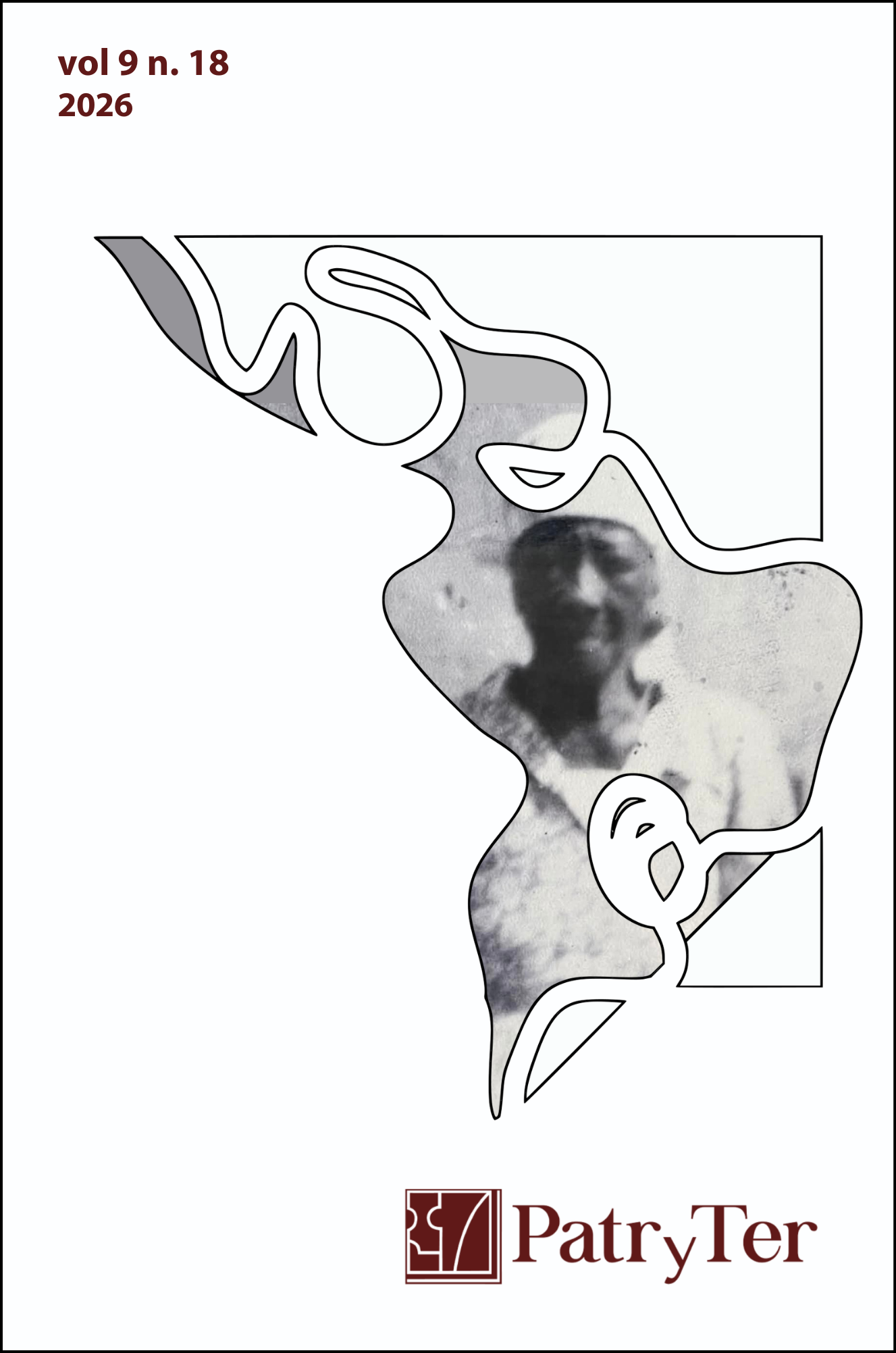
Nhô João, João de Camargo, considered a popular saint of Sorocaba (SP) was, in life, a reference in welcoming the most needy, at the beginning of the 20th century. In the Chapel of Nosso Senhor Bom Jesus do Bonfim, he healed and guided the population that, like him, was black and former enslaved. This article seeks to highlight the contradictions and fragmentation of urban space based on Henri Lefebvre and José de Souza Martins, as the chapel becomes a symbol of resistance to the power of capital through real estate speculation, based on the visibility of the sacred in its slow time. The research included a bibliographical investigation in reference to the economic development process of the municipality, in addition to the fieldwork in the chapel, which valued the observation of its daily life. Although the chapel was affected by the flood in 2024, the pursue for its recognition as a national heritage strengthens and resists through the memory of Nhô João.
Downloads
References
Acta Apostolicae Sedis. (1931). Commentarium Officiale. Roma: Typis Polyglottis Vaticanis.
Benjamin, R. (2008). Devoções populares não-canônicas na América Latina: uma proposta de pesquisa. Revista Internacional de Folkcomunicação, 1(1).
Campos, J. & Frioli, A. (1999). João de Camargo de Sorocaba: o nascimento de uma religião. São Paulo: Ed. Senac.
Campos, L. & Lorenzoni, L. & Lima, A. (2020). Curandeirismo no Brasil: uma abordagem histórico-jurídica na transição do final do império e início da república. Revista Relegens Thréskeia, 9(2), 225-241. http://dx.doi.org/10.5380/rt.v9i2.75329
Cavalcanti, P. (1934). João de Camargo, o Papa Negro de Sorocaba. O Malho, 33(57).
Cavalheiro, C. (2020). João de Camargo, o homem da Água Vermelha. Maringá: A. R. Publisher Editora.
Comitre, F. (2017). A evolução do uso e ocupação do solo na periferia urbana de Sorocaba-SP: do esquecimento ao despertar dos interesses públicos e privados. Geo UERJ (31), 770-799. https://doi.org/10.12957/geouerj.2017.27200
Condephaat. (2021). Fábrica têxtil Nossa Senhora da Ponte. São Paulo.
Creston, H. (2020). Terreiros e quilombos no Brasil, um louvor às resistências . PatryTer, 3(5), 113–128. https://doi.org/10.26512/patryter.v3i5.25354
Deffontaines, P. (1945). As feiras de burros de Sorocaba. Boletim Geográfico, 3(25).
Estado de São Paulo. Lei Complementar n° 1.241, de 08 de maio de 2014. Cria a Região Metropolitana de Sorocaba e dá providências correlatas. h
Garcia, M. (2019). Campolim e sua avenida principal transformados. Jornal Cruzeiro do Sul.
Fernandes, F. (1951). O negro no mundo dos brancos. São Paulo: Difusão Europeia do Livro.
Ferreira, V. & Sandano, W. (2007). Educação escolar e movimento sociais em Sorocaba, no início da República (1889/1920). In Anais do 24º Simpósio Nacional de História (pp. 1-10). São Leopoldo, RS: Unisinos.
Freitas Jr, A. (1925). A legenda sorocabana. Revista do IHGSP, 1(23), 345-366. http://ihgsp.org.br/wp-content/uploads/2018/03/Vol-23.pdf.
Jornal Cultural Rol. (2020). O milagreiro João de Camargo ganha nova biografia pelas mãos do historiador Carlos Carvalho Cavalheiro em livro publicado pela editora A. R. Publisher. https://jornalrol.com.br/?p=31736
Laurindo, A. (2012). Antigos edifícios escreveram parte da história da cidade. Jornal Cruzeiro do Sul. https://www2.jornalcruzeiro.com.br/materia/442712/antigos-edificios-escreveram-parte-da-historia-da-cidade
Lefebvre, H. (2016). Espaço e política. O direito à cidade II. São Paulo: Humanitas.
Malzoni, A. (2008). João de Camargo Barros na vida do povo. São Paulo: Gráfica Manchester.
Mariano, L. (2023). Em cemitérios de SP, histórias de devoção a “santos milagreiros” eleitos pelo povo. O Globo.
Mariano, N. (2022). Cotidiano, representação e resistências espaciais. No bojo da viola caipira. PatryTer, 6(11), 1–15. https://doi.org/10.26512/patryter.v6i11.42822
Martins, J. (1996a). As temporalidades da história na dialética de Lefebvre. In J. Martins (Ed.). Henri Lefebvre e o retorno à dialética (pp. 13-23). São Paulo: Editora Hucitec.
Martins, J. (1996b). O cativeiro da terra. São Paulo: Editora Hucitec.
Perecin, M. (1990). Candeias em espelho d’água (1777-1845). São Paulo: Edições Loyola.
Pustiglione, G. (2025). Região do Parque Campolim e zona leste de Sorocaba vivem expansão imobiliária. Jornal Cruzeiro do Sul.
Ribeiro, E. (2009). Caminhos e descaminhos: a ferrovia e a rodovia no bairro Barcelona em Sorocaba/SP – a produção espacial no processo de industrialização e urbanização em Sorocaba. São Paulo: Annablume; Prefeitura de Sorocaba.
Rosendahl, Z. (2002). Espaço e religião: uma abordagem geográfica. Rio de Janeiro: UERJ, NEPEC.
Sáez, O. (1998). João de Camargo: sincretismo e identidades. Revista de Ciências Humanas, 16(24), 138-153.
Seade. (2023). Seade População. São Paulo. https://populacao.seade.gov.br.
Sorocaba. Lei n. 4.619/94, 26 set. 1994. Dispõe sobre o Conselho Municipal de Defesa do Patrimônio Histórico e dá outras providências.
Straforini, R. (2001). No caminho das tropas. Sorocaba: TCM.
Taunay, A. (1943). Cavalhadas brasileiras e sua iconografia. Jornal do Comércio.
Downloads
Published
Issue
Section
License
Copyright (c) 2025 PatryTer

This work is licensed under a Creative Commons Attribution 4.0 International License.
Please be advised that Revista Patryter is licensed under a Creative Commons Attribution-NonCommercial-NoDerivatives 4.0 International License (CC BY-NC-ND 4.0) https://creativecommons.org/licenses/by-nc-nd/4.0/deed.en
Authors who publish in the PatryTer Magazine agree to the following terms:
- Authors retain the copyright and grant the journal the right of first publication, the work being simultaneously licensed under the Creative Commons Attribution-NonCommercial-NoDerivatives 4.0 International License (CC BY-NC-ND 4.0) which allows the sharing of the work with recognition of the authorship of the work and initial publication in this journal.
- The contribution is original and unpublished and is not being evaluated for publication by another journal. When submitting the article, authors should attach as a supplementary document a Letter addressed to the PatryTer's Editor, indicating the academic merits of the submitted work (relevance, originality and origin of the article, that is, from what type of research]. This letter must be signed by all authors.
- The authors authorize PatryTer Journal to publish the article in public and private databases, in Brazil and abroad.
- Authors declare that they are fully responsible for the entire contents of the contribution that they submit to the Editorial Board of PatryTer Magazine.
- Authors declare that there is no conflict of interest that could interfere in the impartiality of the scientific papers submitted to the PatryTer Magazine Editorial Board.
- Authors are authorized to take additional contracts separately, for non-exclusive distribution of the version of the work published in this journal (eg publish in institutional repository or as a book chapter), with acknowledgment of authorship and initial publication in this journal.
Authors are allowed and encouraged to publish and distribute their work online (eg in institutional repositories or on their personal page) at any point before or during the editorial process, as this can generate productive changes as well as increase the impact and the citation of the published work (See The Effect of Free Access).